
What Exactly is a Landing Page?
Key Elements Of High-converting Landing Pages
When it comes to creating high-converting landing pages, certain elements are crucial for success. Let’s explore these key components:- Compelling headline
- Clear and concise copy
- Strong call-to-action (CTA)
- Relevant and high-quality visuals
- Social proof
- Mobile responsiveness
Compelling Headline
Your headline is the first thing visitors see, so it needs to grab their attention immediately. A great headline should:- Clearly communicate your unique value proposition
- Be concise and easy to understand
- Create a sense of urgency or curiosity
❌ “We Offer Digital Marketing Services.” (Too vague and unexciting)
✅ “Get 3X More Leads in 30 Days – Without Increasing Your Ad Spend!” (Clear, compelling, and sparks curiosity)
Clear And Concise Copy
The body of your landing page should:- Address the visitor’s pain points
- Highlight the benefits of your product or service
- Use bullet points for easy scanning
- Incorporate persuasive language
Example:
❌ “Our software helps businesses manage their marketing better.” (Too generic and uninspiring)
✅ “Struggling to get leads? Our AI-powered marketing tool helps you attract, convert, and retain customers—without the guesswork!”
🔹 Save Time – Automate your campaigns in minutes
🔹 Boost Conversions – AI-driven insights to optimize results
🔹 Cut Costs – Get better ROI without increasing ad spend
Make your landing page work for you—start your free trial today!
| Element | Purpose |
|---|---|
| Headline | Grab attention |
| Copy | Convey value |
| CTA | Drive action |
| Visuals | Enhance message |
| Social proof | Build trust |
Strong Call-to-Action (CTA)
Your CTA is what drives conversions. Make sure it:- Stands out visually
- Uses action-oriented language
- Clearly states what the visitor will get
Example:
❌ “Submit” (Too vague and uninspiring)
✅ “Get Your Free SEO Audit Now!” (Clear, action-driven, and enticing)
🔹 Bad CTA: “Learn More” (Lacks urgency and specificity)
🔹 Great CTA: “Start Your Free 7-Day Trial Today!” (Clear benefit + action-oriented)
Make your CTA impossible to ignore—guide visitors toward the next step with a compelling, high-impact button!
Now that we’ve covered the key elements, let’s move on to the step-by-step process of building your high-converting landing page.Ready To Build? Here Are 10 Essential Steps To Build Landing Pages That Convert

Understanding the Conversion Process
To build high-converting landing pages, it’s crucial to grasp the basics of the conversion process. A conversion occurs when a visitor takes the desired action on your landing page, such as signing up for a newsletter or making a purchase. Understanding this process will help you optimize each step of your landing page creation.Key Elements of High-Converting Landing Pages
| Element | Purpose | Impact on Conversion |
|---|---|---|
| Clear headline | Grab attention | High |
| Compelling copy | Engage visitors | Medium to High |
| Strong CTA | Drive action | Very High |
| Relevant imagery | Support message | Medium |
| Social proof | Build trust | High |
The 10-Step Framework
Our 10-step framework provides a systematic approach on how to create landing pages that convert. Each step focuses on a critical aspect of landing page development:- Strategy planning
- Builder selection
- Copywriting
- CTA crafting
- Image selection
- Page design
- Mobile optimization
- Integration
- Preview and publishing
- A/B testing
Step 1: Plan Your Landing Page Strategy
When To Use A Landing Page Vs A Website
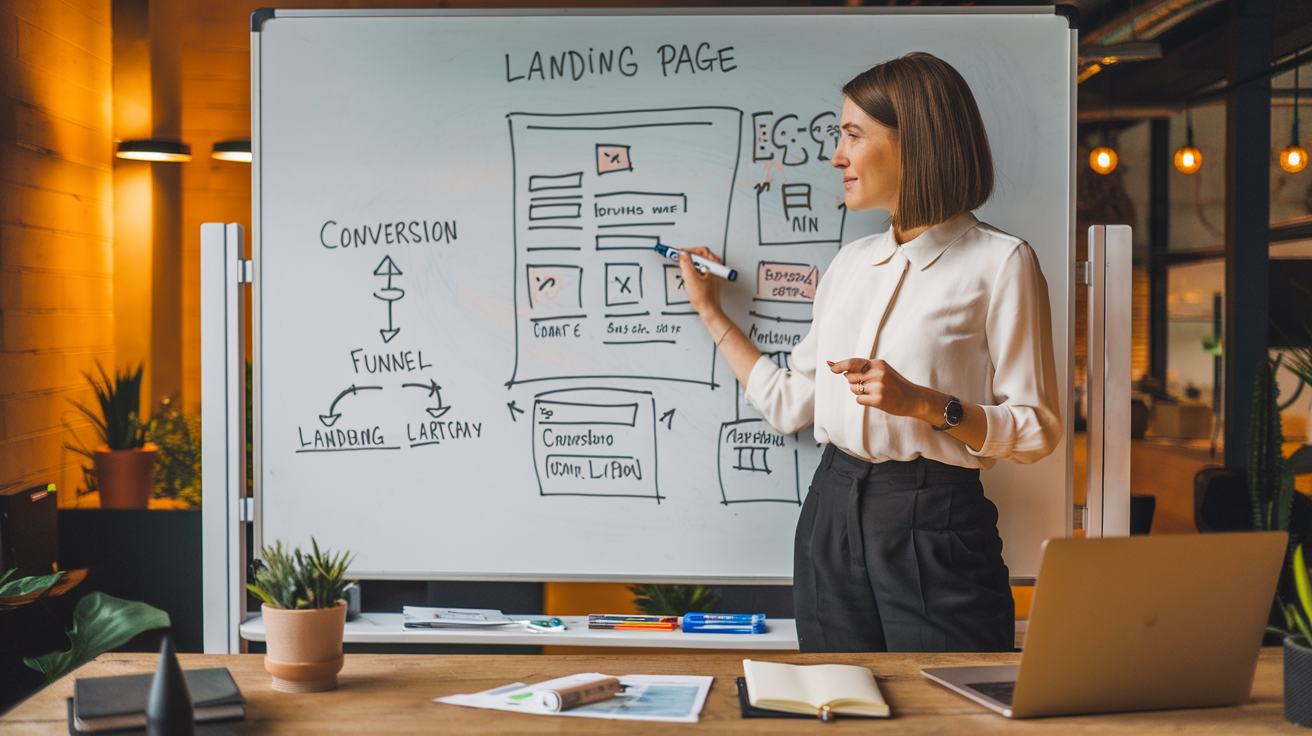
When planning your landing page strategy, it’s crucial to understand the differences between a landing page and a website. Here’s a comparison to help you decide:| Feature | Landing Page | Website |
|---|---|---|
| Purpose | Specific conversion goal | General information |
| Content | Focused, minimal | Comprehensive |
| Navigation | Limited or none | Multiple pages and menus |
| Call-to-Action | Single, prominent | Multiple, varied |
| Design | Streamlined for conversion | Brand-focused, informative |
Set Clear Campaign Goals
Before building your landing page, establish specific, measurable objectives:- Lead generation
- Sales conversion
- Email list growth
- Event registration
- Free trial sign-ups
Understand Your Target Audience
To create a high-converting landing page, you must know your audience inside and out:- Demographics (age, location, income)
- Pain points and challenges
- Motivations and desires
- Preferred communication channels
- Objections to your offer
Step 2: Choose Your Landing Page Builder

Factors To Consider When Choosing A Landing Page Builder
When selecting a landing page builder, several key factors should be taken into account:- Ease of use
- Customization options
- Integration capabilities
- Pricing
- Analytics and reporting features
Ease of Use
A user-friendly interface is crucial for efficient landing page creation. Look for builders that offer:- Drag-and-drop functionality
- Pre-designed templates
- Intuitive editing tools
Customization Options
Your chosen builder should allow for extensive customization to align with your brand and campaign goals. Consider:- Flexibility in design elements
- Ability to add custom CSS/HTML
- Mobile responsiveness options
Integration Capabilities
Ensure the builder integrates seamlessly with your existing tools:| Tool Type | Examples |
|---|---|
| CRM | Salesforce, HubSpot |
| Email Marketing | Mailchimp, ConvertKit |
| Analytics | Google Analytics, Mixpanel |
Pricing
Compare pricing structures to find the best fit for your budget and needs:- Free plans
- Tiered pricing models
- Pay-per-landing page options
Analytics and Reporting Features
Look for builders that offer robust analytics to track and improve your landing page performance:- Conversion rate tracking
- A/B testing capabilities
- Heat maps and user behavior analysis
Step 3: Write Your Copy

Nail The Headline
Your headline is the first thing visitors see, so it needs to pack a punch. A compelling headline should:- Clearly state your unique value proposition
- Use action-oriented language
- Create a sense of urgency or curiosity
| Weak Headline | Strong Headline |
|---|---|
| “Our Product” | “Boost Your Conversions by 50% in 30 Days” |
| “Learn More” | “Discover the Secret to Doubling Your Revenue” |
| “Sign Up Now” | “Start Your Free Trial and Transform Your Business Today” |
Focus on the Benefits
When writing your copy, remember that visitors want to know “what’s in it for me?” Instead of listing features, highlight the benefits your product or service provides. For example:- Instead of: “24/7 customer support”
- Write: “Get help anytime, day or night, so you never feel stuck”
- Save time and reduce stress
- Increase your bottom line
- Outperform your competitors
- Enhance customer satisfaction
Keep it Simple
In today’s fast-paced world, simplicity is key. Follow these tips to keep your copy clear and concise:- Use short sentences and paragraphs
- Avoid jargon and technical terms
- Incorporate white space for easy readability
- Use subheadings and bullet points to break up text
Step 4: Craft Your CTA

Make Your CTA Specific
Your Call-to-Action (CTA) is the pivotal point of your landing page. It’s where you convert visitors into leads or customers. To maximize its effectiveness, make your CTA as specific as possible. Instead of generic phrases like “Click Here” or “Submit,” use action-oriented language that clearly states what the user will get. Examples of specific CTAs:- “Get Your Free E-book Now”
- “Start Your 30-Day Trial”
- “Reserve Your Spot in the Webinar”
Make Your CTA Simple For Forms
When your CTA involves a form, simplicity is key. The fewer fields you require, the higher your conversion rate is likely to be. Focus on collecting only the essential information you need at this stage.| Form Type | Recommended Fields |
|---|---|
| Email Sign-up | Email address |
| Free Trial | Name, Email, Password |
| Webinar Registration | Name, Email, Job Title |
Make Your CTA Singular
Avoid confusing your visitors with multiple CTAs. Having a single, clear CTA helps guide your visitors towards the desired action without overwhelming them with choices. This focused approach can significantly boost your conversion rates. Tips for creating a singular CTA:- Use contrasting colors to make it stand out
- Place it above the fold for immediate visibility
- Repeat it strategically throughout the page
- Ensure it’s the most prominent element on your landing page
Step 5: Select Your Images
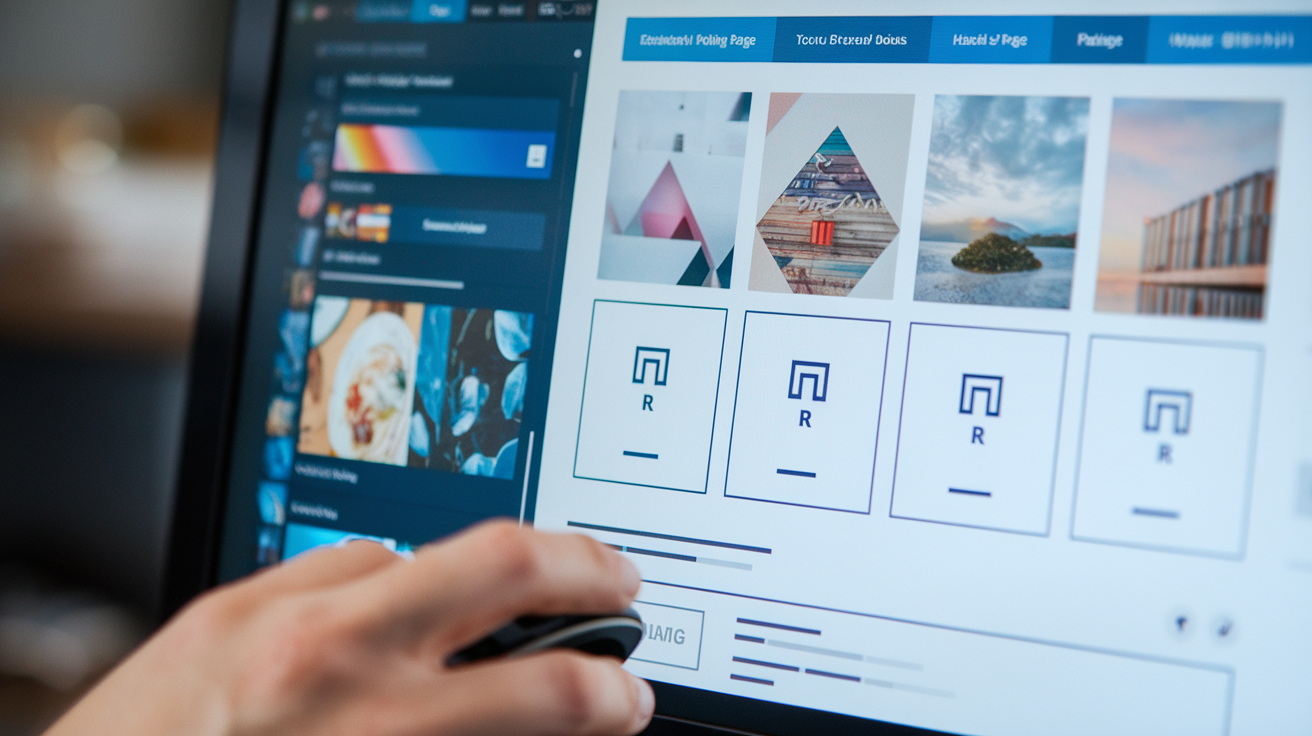
Choose a Hero Image
Your hero image is the centerpiece of your landing page, serving as the first visual element that captures your visitor’s attention. When selecting a hero image, consider these key factors:- Relevance: Ensure the image aligns with your product or service
- Quality: Use high-resolution images that look professional
- Emotion: Choose images that evoke the desired emotional response
- Consistency: Match the image style with your brand identity
| Do’s | Don’ts |
|---|---|
| Use authentic, original images | Rely on overused stock photos |
| Showcase your product in action | Choose irrelevant or confusing images |
| Incorporate human elements | Overload the page with multiple images |
| Test different images for effectiveness | Ignore image optimization for load times |
Visualize the Benefits
Visual representations of your product’s benefits can significantly enhance your landing page’s effectiveness. Here’s how to effectively visualize your benefits:- Use infographics to simplify complex information
- Create before-and-after comparisons
- Incorporate icons to represent key features
- Display customer testimonials with profile pictures
Step 6: Design Your Landing Page

A. Start With A Landing Page Template
Starting with a landing page template can significantly streamline your design process. Templates offer a pre-designed structure that you can customize to fit your needs. Here are some benefits of using templates:- Time-saving
- Professional look
- Proven layouts
- Easy customization
| Template Type | Best For | Key Features |
|---|---|---|
| Minimal | Focus on content | Clean design, whitespace |
| Bold | Stand out | Vibrant colors, large fonts |
| Image-heavy | Visual products | Multiple image placeholders |
| Long-form | Detailed information | Sections for storytelling |
B. Lay Out Your Content
Once you’ve chosen a template, it’s time to arrange your content effectively. Consider these layout principles:- Hierarchy: Place important elements at the top
- F-pattern: Align content with natural eye movement
- Whitespace: Use empty space to improve readability
- Consistency: Maintain uniform styling throughout
C. Match Your Brand
Ensuring your landing page aligns with your brand identity is crucial for maintaining consistency and building trust. Focus on:- Color scheme: Use your brand colors
- Typography: Select fonts that reflect your brand personality
- Logo placement: Include your logo prominently
- Imagery style: Choose visuals that match your brand aesthetics
Step 7: Make it Mobile-Friendly

Mobile Design Best Practices
When creating a mobile-friendly landing page, consider these essential practices:- Responsive design: Ensure your page adapts to various screen sizes
- Large, tap-friendly buttons: Make interaction easy on small screens
- Simplified navigation: Reduce menu items for better user experience
- Readable font sizes: Use a minimum of 16px for body text
- Vertical scrolling: Avoid horizontal scrolling on mobile devices
| Desktop Design | Mobile Design |
|---|---|
| Multi-column layout | Single-column layout |
| Hover effects | Touch-based interactions |
| Larger images | Optimized, smaller images |
| Extended menu | Hamburger menu |
Testing Across Devices
To ensure your landing page performs well on all devices:- Use browser developer tools for initial testing
- Test on real devices (smartphones, tablets) for accurate results
- Utilize online testing tools like BrowserStack or Sauce Labs
- Check functionality on different operating systems (iOS, Android)
- Verify performance across various browsers (Chrome, Safari, Firefox)
Speed Optimization For Mobile
Optimize your landing page’s loading speed for mobile users:- Compress images and use modern formats (WebP, AVIF)
- Minify CSS, JavaScript, and HTML files
- Implement lazy loading for images and videos
- Use a content delivery network (CDN) for faster asset delivery
- Enable browser caching to store static resources locally
Step 8: Connect Your Landing Page
Set Your Landing Page URL
When connecting your landing page, the first crucial step is setting the URL. Choose a URL that is:- Short and memorable
- Relevant to your campaign
- Easy to type and share
| Good URL | Bad URL |
|---|---|
| example.com/summer-sale | example.com/marketing-campaign-2023-summer-sale-discount-offer |
| newproduct.com | example.com/new-product-launch-page-2023-version-2 |
Add Tracking and Custom Scripts
To maximize the effectiveness of your landing page, implement tracking and custom scripts:- Google Analytics for visitor insights
- Facebook Pixel for ad retargeting
- Heat mapping tools for user behavior analysis
- Custom JavaScript for enhanced functionality
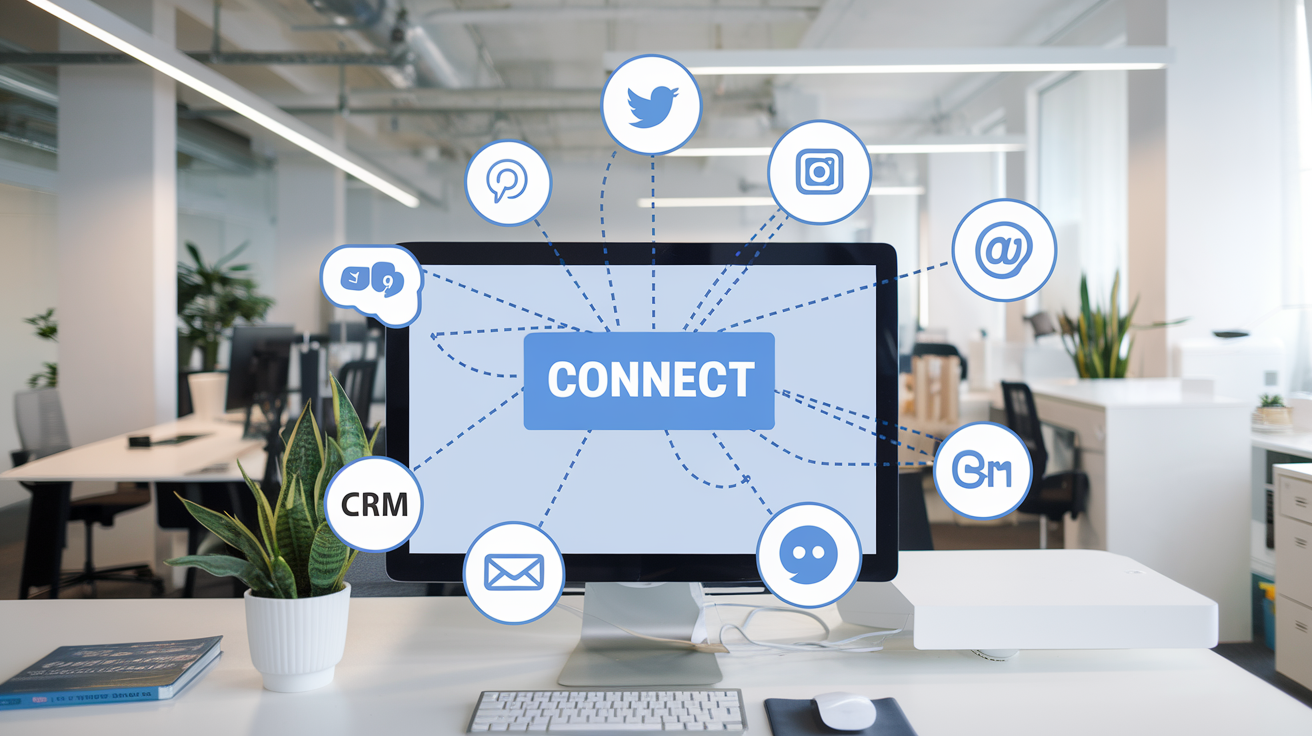
Integrate Your Marketing Tools
Seamlessly connect your landing page with your marketing stack:- Email marketing software
- CRM systems
- Marketing automation platforms
- Social media management tools
- Capture leads effectively
- Segment your audience
- Trigger automated follow-ups
- Track conversions accurately
Step 9: Preview and Publish

Double Check The Copy
Before hitting that publish button, it’s crucial to meticulously review your landing page copy. This final check can make the difference between a good and a great conversion rate. Here’s a checklist to ensure your copy is polished and ready:- Proofread for spelling and grammar errors
- Ensure consistent tone and voice throughout
- Verify all claims and statistics are accurate
- Check that your unique value proposition is clear
- Confirm your benefits are well-articulated
Check The Page Title And Meta Data
Your page title and meta description play a vital role in SEO and click-through rates from search results. Make sure they’re optimized:| Element | Best Practice | Example |
|---|---|---|
| Page Title | 50-60 characters, include main keyword | “High-Converting Landing Page Builder |
| Meta Description | 150-160 characters, compelling summary | “Design stunning landing pages that convert. Our easy-to-use builder helps you create high-performing pages in minutes. Start free today!” |
Test Your Forms
Forms are often the final hurdle between a visitor and a conversion. Ensure they’re working flawlessly:- Fill out the form yourself
- Test with different browsers and devices
- Verify form submissions are properly recorded
- Check that ‘thank you’ pages or confirmation emails are triggered
- Ensure any integrations (CRM, email marketing) are functioning correctly
Step 10: Set up Your A/B Tests

Choose What to Test
When setting up A/B tests for your landing page, it’s crucial to identify the elements that can significantly impact conversion rates. Here’s a list of common elements to consider testing:- Headline
- Call-to-Action (CTA) button color and text
- Hero image or video
- Form length and fields
- Page layout
- Copy length and tone
- Social proof placement
| Element | Potential Variants |
|---|---|
| Headline | Long vs. Short, Question vs. Statement |
| CTA | Green vs. Red, “Get Started” vs. “Try Now” |
| Hero Image | Product shot vs. Lifestyle image |
| Form | 3 fields vs. 5 fields |
Create Your Variants
Once you’ve chosen what to test, create multiple versions of your landing page with subtle differences. Remember to change only one element at a time to accurately measure its impact. For example, if you’re testing the CTA button color, create two identical pages with the only difference being the button color.Set up Tracking
Proper tracking is essential for meaningful A/B test results. Implement analytics tools to monitor key metrics such as:- Conversion rate
- Bounce rate
- Time on page
- Click-through rate
Your Page Is Live—here’s What To Do Next

Drive Quality Traffic
Now that your landing page is live, it’s time to get it in front of your target audience. Driving quality traffic is essential for maximizing conversions. Here are some effective strategies:- Paid advertising:
- Google Ads
- Social media ads (Facebook, Instagram, LinkedIn)
- Retargeting campaigns
- Content marketing:
- Blog posts
- Guest posting
- Infographics
- Videos
- Email marketing:
- Targeted campaigns
- Newsletter promotions
- Social media:
- Organic posts
- Influencer partnerships
| Traffic Source | Pros | Cons |
|---|---|---|
| Paid Ads | Immediate results, Targeted | Costly, Requires ongoing investment |
| Content Marketing | Long-term benefits, Builds authority | Time-consuming, Slower initial results |
| Email Marketing | High ROI, Direct communication | Requires email list, Can be seen as spam |
| Social Media | Cost-effective, Builds community | Algorithm changes, Time-intensive |
Get Your Page Ranking In Search
To ensure long-term success, focus on improving your landing page’s search engine rankings. Implement these SEO best practices:- Optimize on-page elements:
- Title tags
- Meta descriptions
- Header tags (H1, H2, H3)
- URL structure
- Create high-quality, relevant content
- Build quality backlinks
- Improve page loading speed
- Ensure mobile-friendliness
Keep Optimizing For Better Results
Continuous improvement is key to maintaining high conversion rates. Implement these optimization strategies:- Analyze user behavior:
- Heat maps
- User recordings
- Conversion funnels
- Conduct regular A/B tests:
- Headlines
- CTAs
- Images
- Form fields
- Monitor key metrics:
- Conversion rate
- Bounce rate
- Time on page
- Gather user feedback through surveys and interviews
Want A Shortcut? Start With These Landing Page Templates

A. Lead Generation Landing Page Templates
Lead generation landing page templates are designed to capture visitor information and convert them into potential customers. These templates typically include:- Eye-catching headlines
- Compelling value propositions
- Clear call-to-action (CTA) buttons
- Form fields for collecting contact details
| Template Type | Key Features | Best For |
|---|---|---|
| Ebook Download | Long-form content offer, email gate | B2B businesses, educational content |
| Free Trial | Product screenshots, feature list, sign-up form | SaaS companies, software products |
| Newsletter Signup | Brief value proposition, simple form | Content marketers, bloggers |
| Consultation Booking | Calendar integration, service highlights | Service-based businesses, consultants |
B. Sales Page Templates
Sales page templates are crafted to drive direct purchases or subscriptions. They often include:- Detailed product descriptions
- Customer testimonials and social proof
- Pricing information
- Multiple CTAs throughout the page
C. Product Launch Landing Page Templates
Product launch templates build excitement and anticipation for new offerings. Key elements include:- Countdown timers
- Teaser videos or images
- Early-bird offers
- Email capture for launch updates
D. Webinar Registration Landing Page Templates
Webinar registration templates focus on driving sign-ups for online events. They typically feature:- Event details (date, time, speakers)
- Benefits of attending
- Simple registration forms
- Social sharing buttons
What to do Next

Take Action on Your New Landing Page Knowledge
Now that you’ve learned how to create high-converting landing pages, it’s time to put that knowledge into action. Here are some concrete steps to take:- Review Your Current Pages: Start by analyzing your existing landing pages using the principles we’ve discussed.
- Identify Improvement Areas: Make a list of elements that need updating or redesigning based on the 10 steps we covered.
- Create an Action Plan: Prioritize your improvements and set realistic deadlines for implementation.
- Test and Iterate: Remember, successful landing pages are the result of continuous testing and refinement.
Resources to Support Your Journey
To help you on your path to landing page mastery, consider these additional resources:| Resource Type | Description | How It Helps |
|---|---|---|
| Webinars | Expert-led sessions on landing page optimization | Gain insights from industry leaders |
| Case Studies | Real-world examples of successful landing pages | Learn from others’ experiences |
| Tools | Landing page builders and analytics software | Streamline your creation and testing process |
Continuing Education
Stay updated with the latest trends and best practices in landing page design:- Subscribe to marketing blogs and newsletters just like this one your reading now
- Join online communities focused on conversion rate optimization
- Attend marketing conferences and workshops
 Building high-converting landing pages is a crucial skill for any digital marketer or business owner. By following the 10 steps outlined in this guide, you can create landing pages that effectively capture leads and drive conversions. From planning your strategy to designing a mobile-friendly page and setting up A/B tests, each step plays a vital role in crafting a successful landing page.
Remember, the key to a high-converting landing page lies in continuous improvement. Once your page is live, monitor its performance, analyze the data, and make adjustments as needed. With practice and persistence, you’ll be able to create landing pages that not only attract visitors but also convert them into valuable customers. Start implementing these steps today and watch your conversion rates soar!
If you need help with creating your landing pages, just book a FREE Consultation with us Now!
Building high-converting landing pages is a crucial skill for any digital marketer or business owner. By following the 10 steps outlined in this guide, you can create landing pages that effectively capture leads and drive conversions. From planning your strategy to designing a mobile-friendly page and setting up A/B tests, each step plays a vital role in crafting a successful landing page.
Remember, the key to a high-converting landing page lies in continuous improvement. Once your page is live, monitor its performance, analyze the data, and make adjustments as needed. With practice and persistence, you’ll be able to create landing pages that not only attract visitors but also convert them into valuable customers. Start implementing these steps today and watch your conversion rates soar!
If you need help with creating your landing pages, just book a FREE Consultation with us Now!